Freed!
A Program Planning Outline | InterVarsity Christian Fellowship | Ministry to Presently and Formerly Incarcerated College Students
Vision
To build InterVarsity's capacity to effectively reach and disciple formerly incarcerated college students nationwide — equipping staff and students with the tools, relationships, and frameworks needed to welcome, walk alongside, and empower this population.
"This is not a niche ministry — it is a justice issue at the heart of the gospel. If we believe in the Kingdom of God, we must be willing to do the hard, slow, beautiful work of walking alongside those the world has thrown away."
1. Learning to See: Awareness and Posture
Effective ministry begins before any program launches — it begins with eyes trained to notice who is already present on campus.
Developing Eyes for This Population
- Formerly incarcerated students are already on our campuses; most staff simply don't know how to identify or approach them.
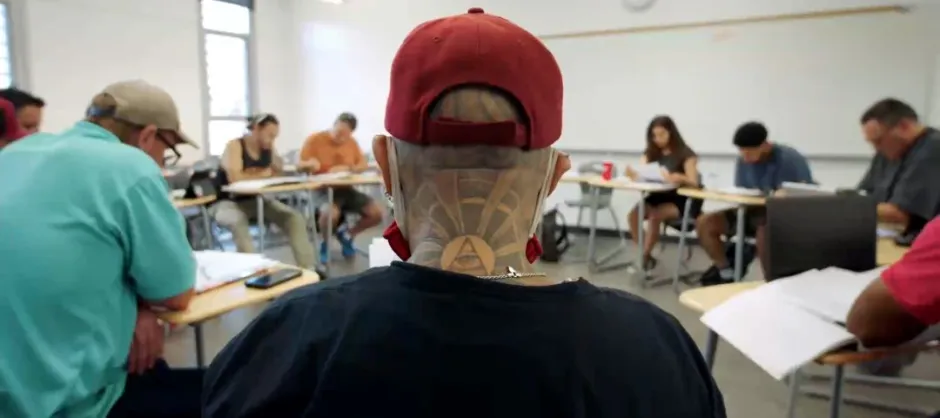
- Learning to notice visual and contextual cues (tattoos, ankle bracelets, stories involving law enforcement) opens the door to relationship.
- Once you see this population, you cannot unsee them — and that reorientation is itself a form of ministry formation.
- Train staff through "Learn to See" modules that help identify formerly incarcerated students and understand their context.
Scripture as a Lens
- Scripture speaks directly and repeatedly to the incarcerated — Jesus quotes Isaiah in Luke 4, naming release for captives as central to his mission.
- Nearly a third of the New Testament was written by someone who was imprisoned or under house arrest (Paul).
- Engaging this population reshapes how staff and students read scripture — and that transformation is a gift to the whole community.
- Develop contextual Bible study training that foregrounds incarceration themes in scripture.
Understanding Diversity Within This Population
- Not every formerly incarcerated person shares the same story: crimes range from violent offenses to DUIs to white-collar crimes to false accusations.
- Each student's background carries different implications for their reentry, stigma, and spiritual journey.
- Approach each person with curiosity and without assumption — learn their specific story before drawing conclusions.
2. Community: Belonging as the Foundation
Programs matter less than belonging. The core of this ministry is building communities that genuinely embrace formerly incarcerated students.
Creating a Shalom Community on Campus
- Society often re-marginalizes people after they complete their sentence; campus InterVarsity communities can be a countercultural alternative.
- Build intentional welcome and belonging practices — safe spaces where students can share their stories without fear of judgment.
- Develop small group discipleship tailored to reentry challenges: identity, shame, purpose, and belonging.
- Create worship and prayer environments that name and honor the experiences of the formerly incarcerated.
Consistent Presence and Unconditional Acceptance
- Many formerly incarcerated students carry deep wounds from abandonment and broken trust — they need to experience love that does not waver.
- Be a steady presence even when students drift back into old patterns; consistency communicates that our acceptance is not conditional on their performance.
- This kind of faithful showing-up is not just pastoral strategy — it is the embodiment of the gospel for people who have rarely experienced it.
Accountability and Discipleship
- Genuine community holds people to the promises they made to themselves — inside or outside of prison.
- Discipleship means helping people walk in the light: confessing mistakes, making amends, and moving toward wholeness.
- Avoid enabling denial — gently challenge students to accept and integrate their own stories as part of following Jesus.
- Community is not just support; it's also the place where transformation is witnessed and celebrated.
Wise Naivete and Healthy Caution
- Christian college students may lack the street awareness needed to navigate relationships with those newly out of prison — this is a real pastoral concern.
- Prepare student leaders and volunteers with appropriate relational wisdom — neither suspicion nor uncritical openness.
- The goal is a posture of trust that is neither naive nor cynical — rooted in love and anchored in discernment.
3. Mentorship and Peer Support
Relationships with people who have lived experience are irreplaceable — both for students and for the staff who serve them.
Mentorship for Staff
- Staff doing this work need mentors with lived or practitioner experience to help them interpret the world of incarceration and reentry.
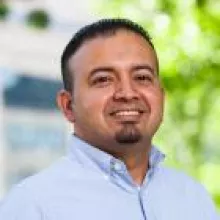
- Practitioners like Silvano Lopez (Cal State Bakersfield) model what this ministry looks like and provide a sounding board for staff.
- Build regular peer support cohorts for staff doing this work so they are not isolated.
Mentorship for Students
- Pair formerly incarcerated students with Christian mentors — ideally those with lived experience of the criminal justice system.
- Peer-to-peer support networks among formerly incarcerated students provide solidarity and shared understanding that outside mentors cannot fully offer.
- Mentorship is long-term, patient, and non-transactional — it is the opposite of a program.
The Power of One-on-One
- One-on-one mentoring often produces greater depth and vulnerability more quickly than group settings.
- In groups, formerly incarcerated students may posture or guard themselves with each other; individual time removes that social pressure and opens space for honesty.
- Prioritize regular one-on-one time alongside any group programming — it is often where the most significant relational and spiritual growth happens.
4. Campus and Community Partnerships
No InterVarsity chapter can or should provide everything a formerly incarcerated student needs. Knowing the ecosystem of support is essential. See this link.
On-Campus Resources
- Most campuses have some form of reentry support — in California, the Rising Scholars Network is a key partner.
- Staff should know where the campus resource center is and what it provides: tutoring, scholarships, counseling, housing support.
- Connecting students to these resources early in relationship is an act of care, not a handoff.
Community and Faith Partners
- Local churches and faith communities can extend the support IV provides — especially for students who need long-term pastoral care.
- Formerly incarcerated alumni who are now thriving can serve as mentors, advocates, and living testimonies within the community.
- Advocacy for fair chance policies on campus (removing barriers to enrollment and housing) is part of institutional partnership.
5. Staff Equipping and Training
Confidence in this ministry grows through preparation. Staff need both theological grounding and practical skills.
Core Training Areas
- Trauma-informed care workshops — incarceration often involves deep wounds, mistrust, and survival behaviors that shape how students relate.
- Contextual Bible study training — exploring incarceration themes in scripture as a formation practice for staff and students alike.
- Cultural competency across race, class, and criminal justice experience — mass incarceration is a racialized and socioeconomic reality.
- "Learn to See" modules — equipping staff to identify formerly incarcerated students and understand the context they're navigating.
Systemic Awareness
- Help staff understand the systemic roots of mass incarceration, including racial and economic dimensions.
- Educate Christian communities on how the criminal justice system operates — including the challenges of parole, reentry, and recidivism.
- The parole system can inadvertently discourage reintegration; staff should understand these structural pressures students face.
6. Long-Term Perspective: Patience and Perseverance
This ministry is not fast. Transformation takes time, and staff must be spiritually and emotionally prepared for a long arc.
One Step Forward, Two Steps Back
- Expect setbacks: relapse, re-incarceration, academic withdrawal, and broken trust are part of many students' journeys.
- Dropping out to address addiction or mental health may be the right move — not a failure of ministry.
- Do not measure success in a single semester; measure it in years.
Perseverance Produces Stories
- If you stay with people long enough, breakthroughs happen — and those stories are worth the wait.
- The Lord's patience with people is a model for ours — ministry here is formation for the staff as much as for the students.
- Regular storytelling within the Freed! team — celebrating wins, mourning losses, praying together — sustains the work over time.
7. Curriculum, Resources, and Scalability
For this model to spread beyond individual campuses, it needs to be documented, resourced, and reproducible.
Curriculum Development
- Develop Bible study curriculum centered on themes of liberation, restoration, and belonging — grounded in the biblical witness to captives and prisoners.
- Create training materials that can be used by IV staff nationally, not just in established hubs.
Resource Library
- Build a curated library of books, podcasts, and articles for staff and students doing this work.
- Collect and share testimonies from formerly incarcerated students and alumni as living curriculum.
National Replication
- The goal is for IV to develop a recognized, replicable model for this ministry that can spread across regions.
- Silvano Lopez and the Freed! team serve as the initial practitioner cohort from which this model can be learned and scaled.
Hoped-For Outcomes
- Staff feel equipped and confident to reach and walk alongside formerly incarcerated students.
- Formerly incarcerated students experience genuine belonging in InterVarsity communities.
- Students grow in faith, complete their degrees, and become leaders in their communities.
- InterVarsity develops a recognized national model for this ministry.
- A curriculum and resource library exists and is actively used across chapters.
Guide for Incarcerated Student Program Offices (pdf)
Freeing the Prisoner Bible Study Series (pdf)
Synthesized from contributions by Abner Ramos, Silbano Lopez, Scott Bessenecker, and Scott Hall — Freed! Team, InterVarsity Christian Fellowship